About This Site
This site is written by me, James Maurer - a retired City of Muskegon IT Director with 25 years in local government. For more than 20 years I've lived on Muskegon Lake itself, with direct waterfront frontage, and over the years I've also lived in and around the area's other waterfront communities: the Lakeside area, Norton Shores near Mona Lake, a Lake Michigan dune subdivision with deeded beach access, and White Lake in Whitehall. That gives me firsthand perspective on the distinct character of each area this site highlights.
When I write about what it's like to live near Lake Michigan versus Muskegon Lake, I write from both shores - the 10-degree difference on a July beach day, and the difference between "deeded access" and frontage you own.
What Living Here Has Taught Me
Norton Shores, near Mona Lake: This is where I learned that not every lake is the same. Mona Lake has character - a neighborhood feel, a boat club at the end of the lake where people actually gather - but it also has its challenges. The channel to Lake Michigan is shallow and can sand in at the mouth. Water quality has been an ongoing issue. Anyone considering the lake should know both sides going in.
Lake Michigan dune subdivision: We had deeded access - a short walk to the beach. Not direct frontage, but close enough that we could walk down for sunset every evening if we wanted. I learned what that temperature differential feels like. On a 75-degree day inland, you'd walk down to the beach and hit 65 degrees. Some people love that. Others don't expect it. I also learned what "deeded access" means in practice: you have the right to walk to the beach, but you're sharing that access with everyone else in the subdivision. It's a different arrangement from owning your own frontage, and you should know which one you're buying.
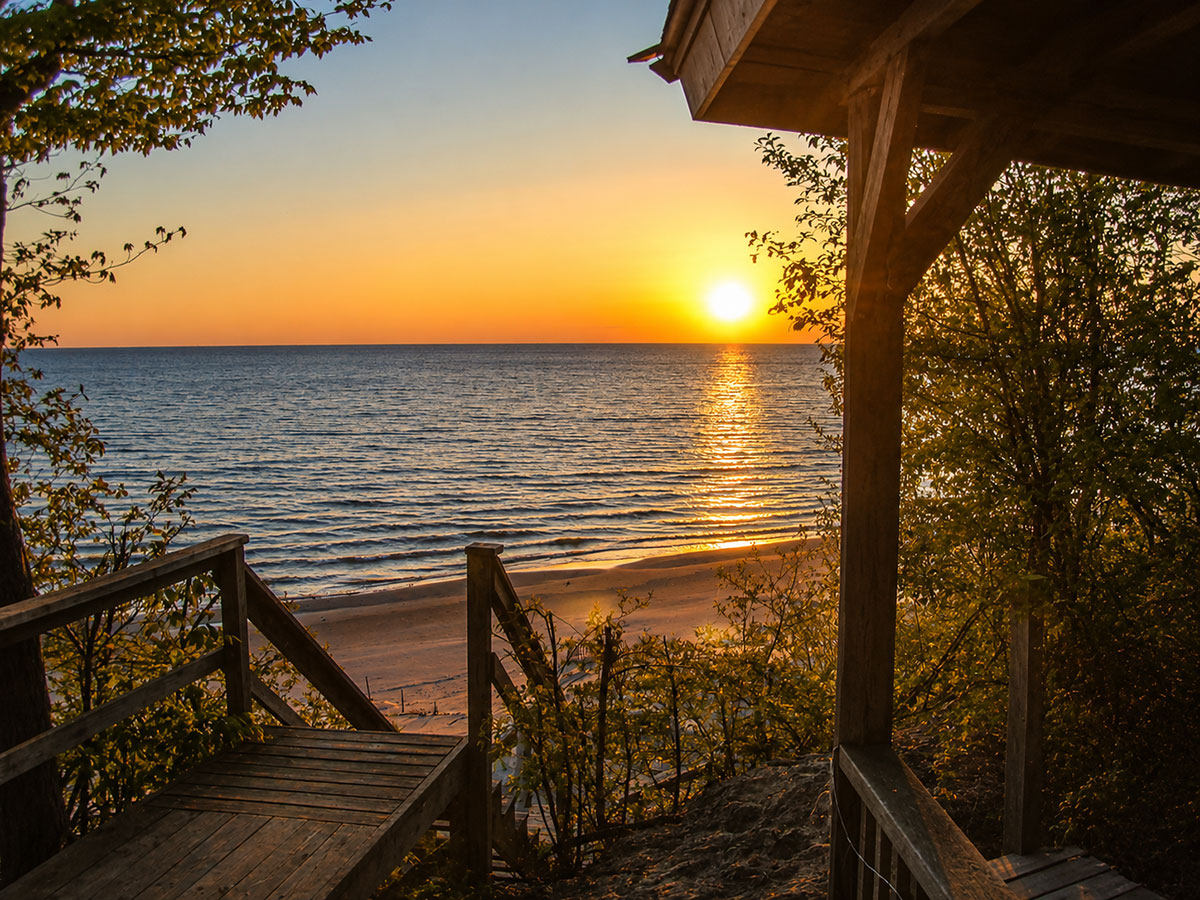
Muskegon city living: Living inside the city gave me a different kind of education. I learned what urban waterfront looks like up close - a working shoreline alongside the recreational one. I also learned what the millage rates mean in practice, and what that city income tax does to your bottom line every year. If you're comparing a property in Muskegon City to one in North Muskegon, understand the actual cost difference before you compare asking prices.
White Lake, Whitehall: I had a cottage on White Lake with a view across the water toward Montague. White Lake is a different experience from the Muskegon lakes - quieter, more tucked away, with a strong sense of community between Whitehall and Montague on opposite shores. I spent a lot of hours between them, too - riding my bike across the bridge between the two towns and following the lake, the kind of habit that teaches you a shoreline. Living there taught me how much the character of a lake is shaped by the towns around it. Two small cities, one lake, and a completely distinct atmosphere from anything in the Muskegon area. That perspective - understanding how different lakes create different lifestyles - is something I carry into every page of this site.
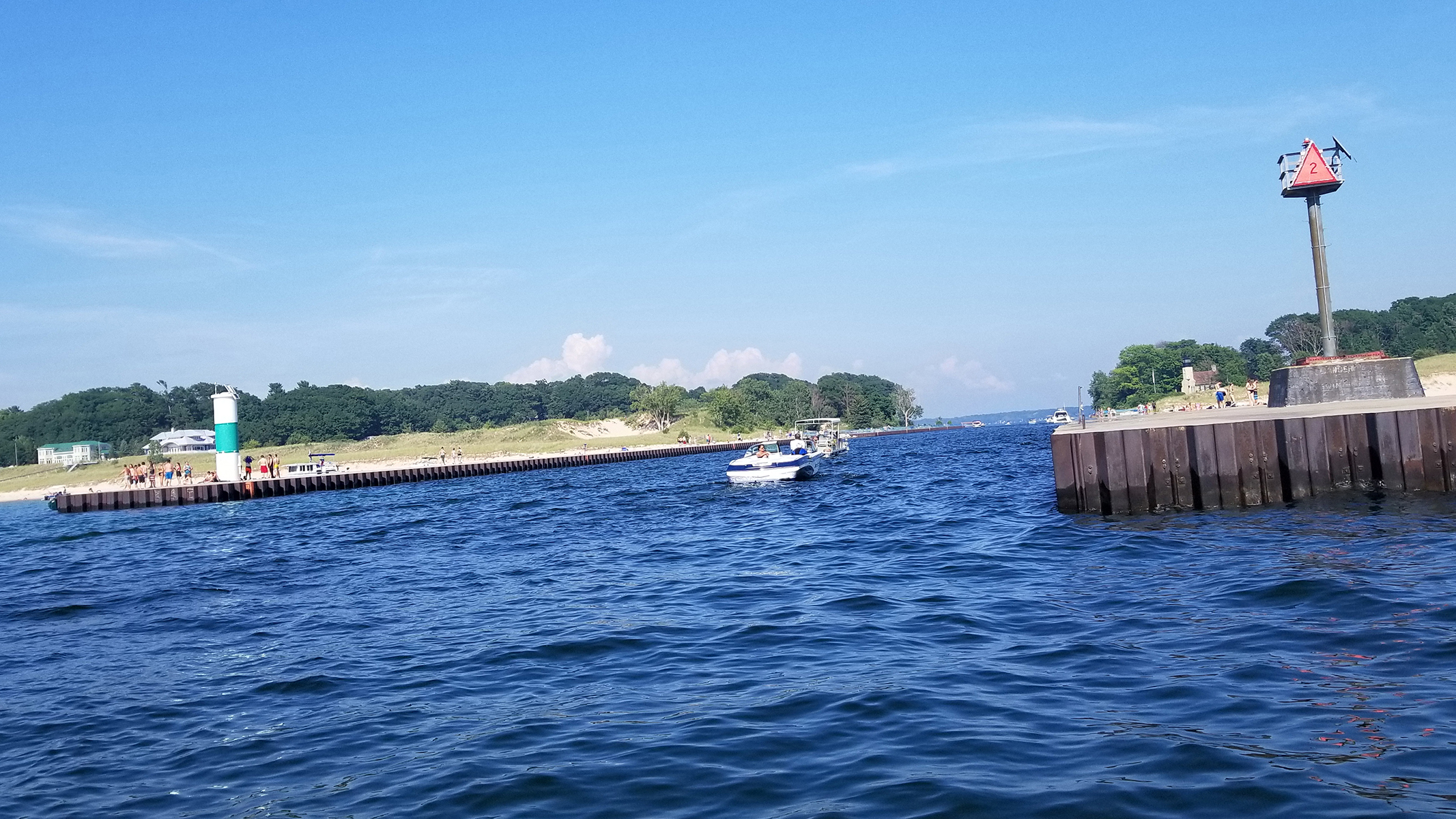
North Muskegon, today: This is the area I know best, and elevation is the reason it stands apart. I watch the tall ships come into Heritage Landing. I see the regattas spread across Muskegon Lake. On the Fourth of July, you can see fireworks from Muskegon, Bear Lake, Mona Lake, Grand Haven, and every town in between - all at once. The elevation is what makes that possible.
My Professional Background
I spent 25 years with the City of Muskegon and retired as its IT Director. The job's reach ran past one city hall: three neighboring cities - North Muskegon, Montague, and Roosevelt Park - contracted with my department for their IT support, an arrangement that was cost-effective for them and brought revenue back to Muskegon. Between the four of them, I got an inside view of how these cities actually operate, how decisions get made, and what the real differences between them mean for the people who live there.
That experience goes beyond general knowledge. When I write about the tax difference between a Muskegon city property and a North Muskegon property, I'm writing about systems I worked inside for 25 years. When I describe what makes White Lake feel different from Muskegon Lake, I've lived on both. I know the schools, the recreational programs, the community organizations, and the practical details that don't show up in broad area summaries. I've spent years on these lakes - Muskegon Lake, Bear Lake North Muskegon, Mona Lake, White Lake, the Lake Michigan shoreline - by boat, by kayak, and on foot.
Why This Site Exists
When I look at typical waterfront research, I see a lot of information about houses. Square footage. Bedrooms. Roof age. What is harder to find is honest information about the location itself - what it actually feels like to live there, through all four seasons, at that specific spot on that specific body of water.
A short property description might mention a dock. It may not mention that the channel silts in and needs dredging. It can show a sunset photo without explaining that the same lake gets bright green algae blooms every August, or that the boat traffic on summer weekends means you'll hear engines until 10 PM, or that from the right vantage point you can watch fireworks from five towns simultaneously.
I built this site because I think you deserve better information before you make one of the biggest decisions of your life. This is a personal local guide built around local context and firsthand experience. I'm sharing what I know - from decades of living in these communities, from working inside the system that governs them, and from years spent on and around these lakes - so you can make your own decision with your eyes open.
When I was looking at waterfront properties myself, nobody told me any of this. Not the hidden gotchas, not the seasonal realities, not what to actually ask about before committing to a place. Either people didn't know, or they kept it to themselves. I'm not sure which. What I do know is that I figured most of it out the hard way, over many years of living it. This site is my way of paying that forward.
Official tourism and visitors bureau sites - county websites, chamber of commerce pages - exist to promote the area. That means they don't dwell on the algae blooms, the dredging issues, the oil sheens that show up after heavy rain, or the boat traffic that makes some stretches of water less pleasant on a summer weekend than the brochure suggests. No tourism board, chamber, or politician pays me or decides what I write. My job here is to tell you the tradeoffs of each area, including the downsides those promotional sites won't. If something is worth knowing before you commit to an area, I'll say it.
What You'll Find Here
The site is organized around the distinct waterfront areas I've lived in and around - lake communities across Muskegon County:
- Muskegon Lake - Best-restored of the local inland lakes after roughly $85M in cleanup and habitat restoration work and delisting as a Great Lakes Area of Concern in September 2025 (EPA / EGLE), with channel access to Lake Michigan and a deep water port that brings freighters right past your shore.
- Bear Lake - A smaller all-sports lake with real community character and a boat-up tavern - but also summer algae blooms and heavy recreational traffic.
- Mona Lake - A neighborhood lake south of Muskegon with a boat club where people gather - along with a shallow channel that can sand in, and water quality that has been an ongoing issue.
- White Lake - Whitehall and Montague on opposite shores of a quieter lake, each town shaping its own side of the water.
- Duck Lake - The quietest water this site covers: state park land wrapping the north shore, no navigable route out for boats, and an outlet stream that wanders across the beach to Lake Michigan.
- Lake Michigan shoreline - Open Great Lakes water with forever sunsets and a summer shoreline that runs about ten degrees cooler than the inland lakes.
- North Muskegon - Elevated ground, no city income tax, and views that run for miles.
- Waterfront condos - Lock-and-leave living with different considerations entirely - HOA docs, dock rights, and questions you need to ask before committing.
Each area has strengths and tradeoffs, and the guides cover both.
Before You Decide
If you're considering waterfront living in the Muskegon area, take your time. Read through the guides. Visit the public beach on Bear Lake on a busy Saturday afternoon. Drive through North Muskegon at dusk. Walk Pere Marquette on a windy day and feel that lake breeze. Then decide what's right for you.
A Note on Accuracy
Everything on this site reflects my personal experience and observations built up over many years. It is my honest opinion - not legal advice, not financial advice, and not a guarantee of any specific conditions at any specific property. Lakes change. Policies change. What was true when I lived somewhere may have shifted since.
If you find something that's outdated, inaccurate, or just plain wrong, I'd genuinely like to know. My editorial policy explains how pages are sourced and how corrections are handled. This site exists to be useful, and useful means accurate. You can reach me through the contact page and I'll look into it and update the content if warranted.
Disclaimer: Content on this site is provided for general informational purposes only and may not be complete, current, or error-free. Nothing on this site constitutes legal, financial, or professional advice. Your use of this information is at your own risk.