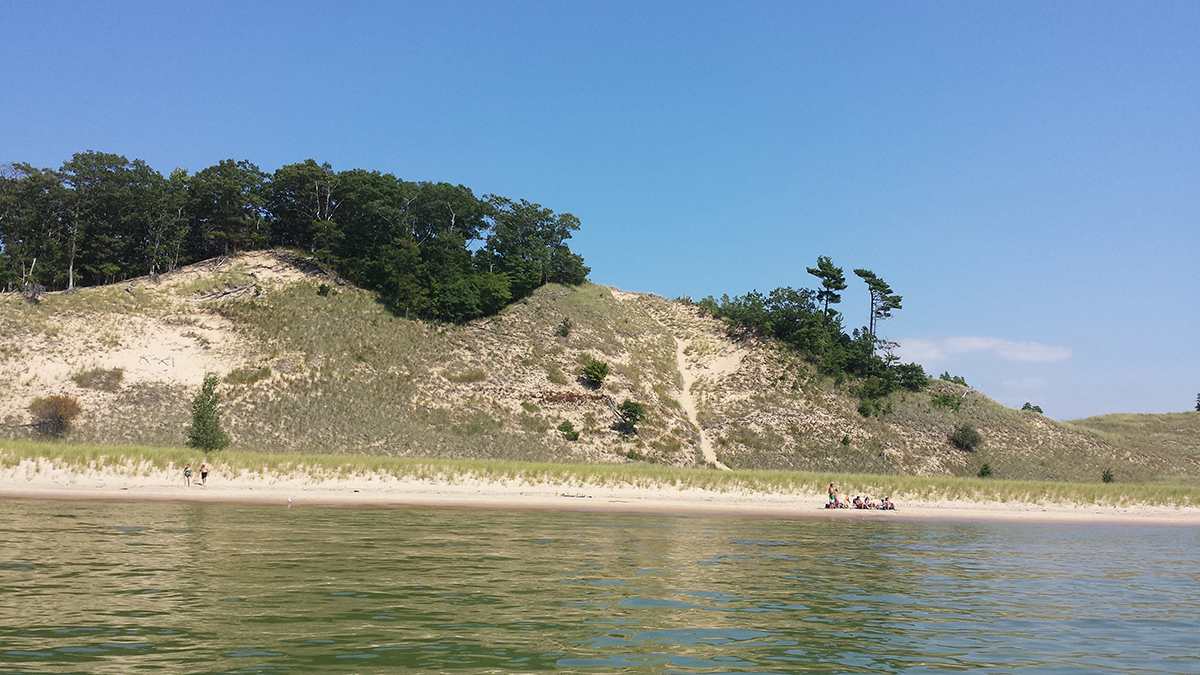
Lake Michigan Muskegon Waterfront: Open Water, Big Views
Last reviewed August 2026. Beach, park, and forecast details change with the seasons; verify anything time-sensitive before you rely on it.
Living on the Lake Michigan shoreline near Muskegon means open water, dramatic sunsets that seem to go on forever, and dune-backed properties. It is what people picture when they imagine Great Lakes living - but direct Lake Michigan lakefront comes with different considerations than protected inland lakes.
Lake Michigan is the third-largest Great Lake by surface area, with all the power and beauty that comes with it. For the direct inland-lake comparison, read the Muskegon Lake vs Lake Michigan guide.
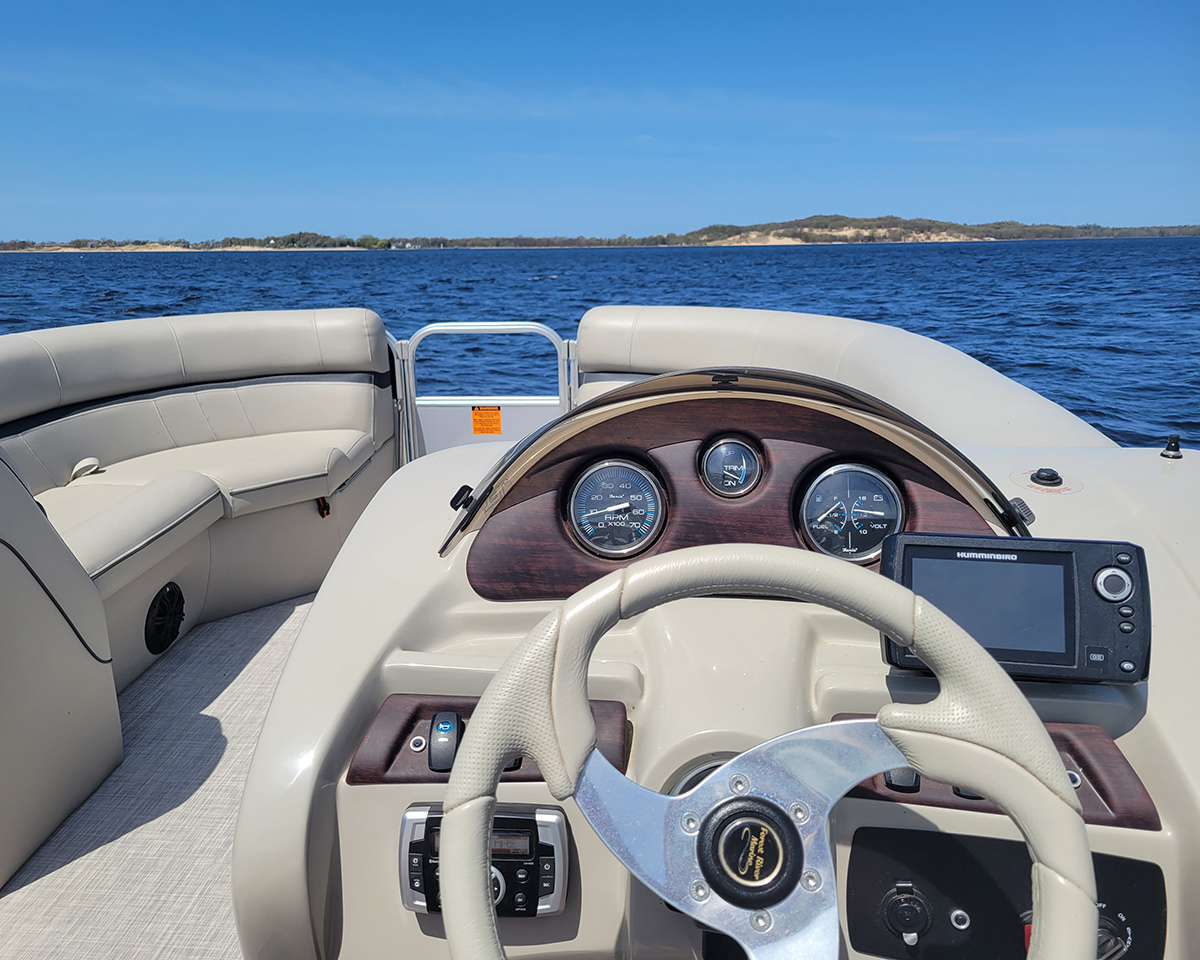
The Temperature Reality
Visitors often do not learn this until they feel it: Lake Michigan runs noticeably cooler than nearby inland areas, especially close to the water and on windy days - the gap can run around ten degrees on a hot summer afternoon.
That difference changes how a beach day feels, so go in with your eyes open about the climate tradeoff. It cuts both ways, though: summer days run cooler near the water, and winter nights closer to shore stay a little milder.
To gauge conditions before a visit, the Muskegon Lake live camera shows current wave level, visibility, and boat traffic from the north side of the lake - a useful nearby reference, though Lake Michigan itself runs cooler and rougher than the protected lake. The same page carries the current Lake Michigan water temperature at Muskegon, pulled from NOAA's offshore buoy.
Water temperature is its own story. Lake Michigan's own reading at Muskegon moved more than 30 degrees across the 2025 season on NOAA's buoy, and offshore winds can take 20 degrees out of it in a few days. The Muskegon Lake vs Lake Michigan guide has that record.
Quick Facts
- Water Type
- Open Great Lakes
- Temperature
- Often cooler near shore
- Wave Exposure
- Significant, varies by weather
- Beach Access
- Private frontage common
- Sunsets
- Open-water western horizon
- Maintenance
- Higher due to exposure
What Makes Lake Michigan Different
Lake Michigan is not a lake in the inland sense. It is an inland sea - 22,300 square miles of freshwater that behaves more like an ocean than a lake. Waves can build to significant heights. Storms can roll in quickly. The water temperature swings widely by season and depth, because the lake is so deep and vast that it holds its cold far longer than the shallow inland lakes warm up.
What this means for waterfront living: you get horizon-to-horizon views and open-water sunsets, but you also get wind, wave exposure, and a shoreline that demands respect.
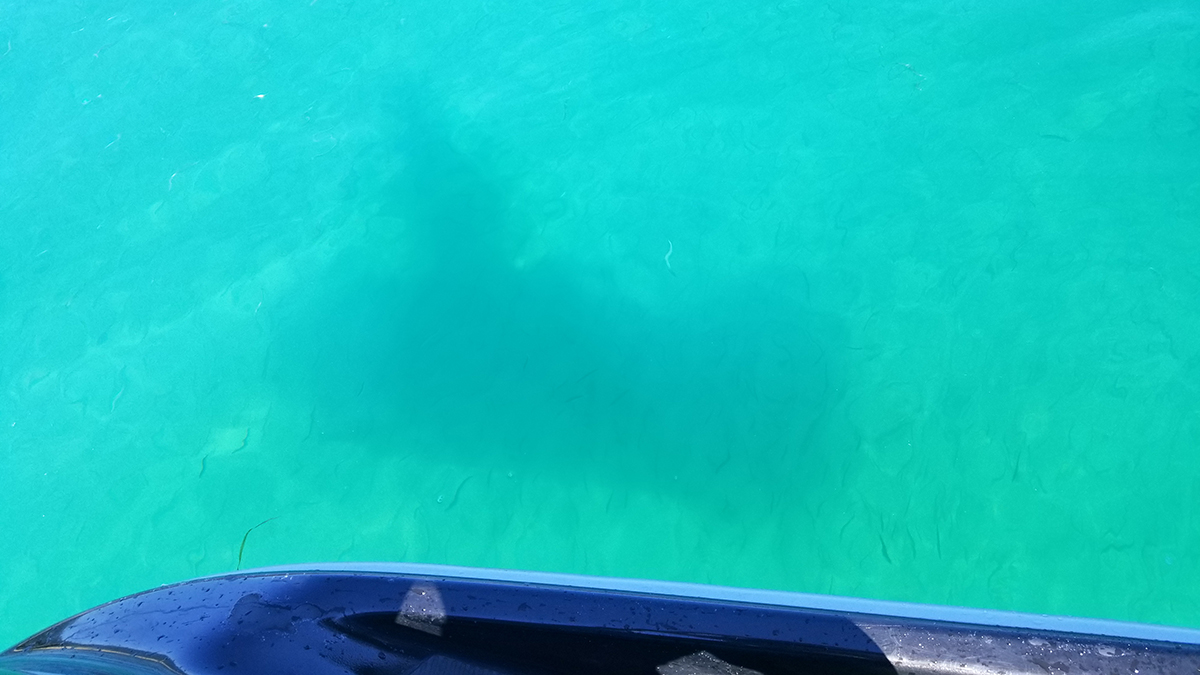
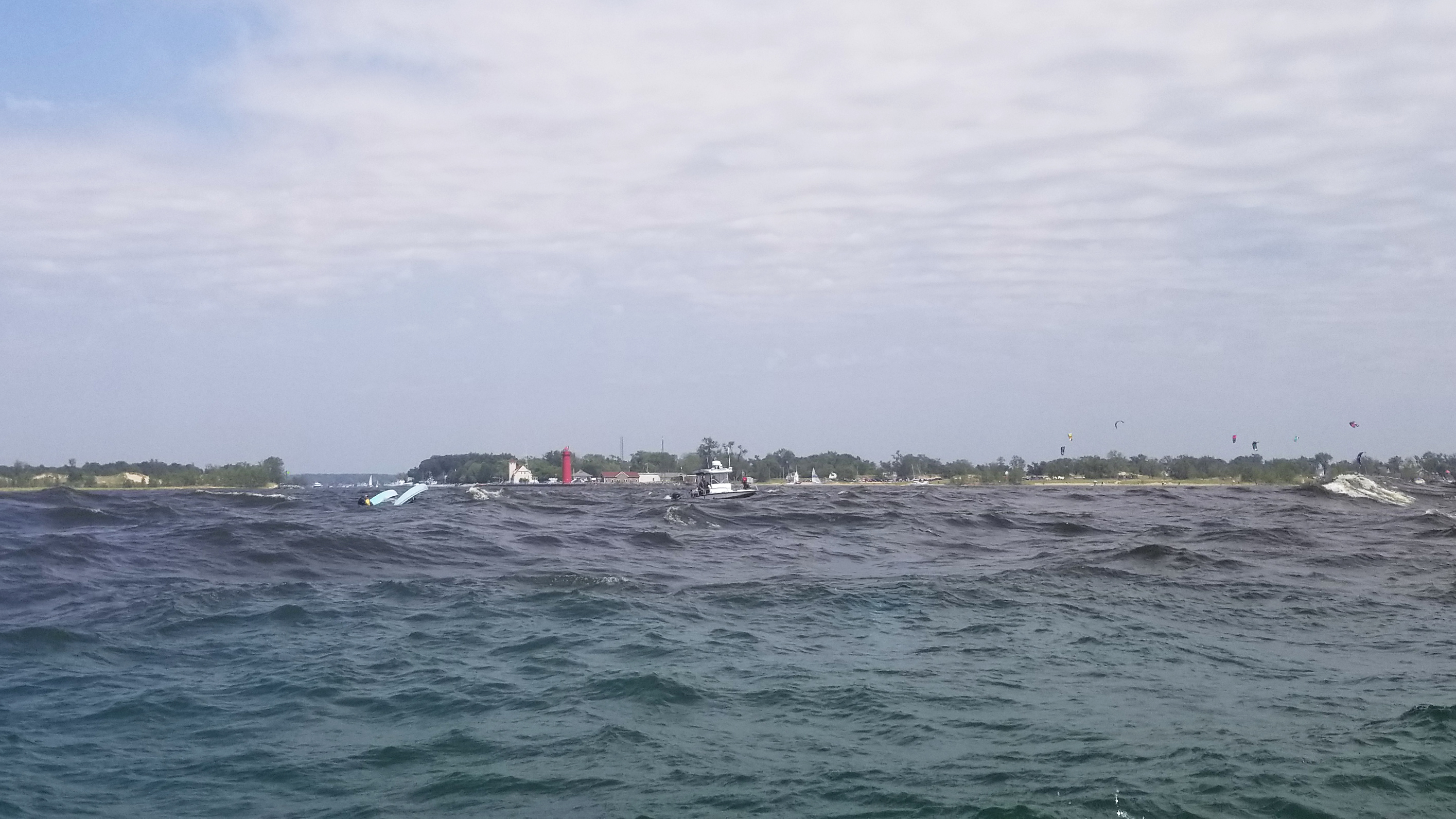
Lake Michigan on two different days near Muskegon.
The Tradeoffs
Lake Michigan waterfront and lakefront near Muskegon offer things the inland lakes do not:
- Forever sunsets: You are facing west over open water. The sun drops below an actual horizon and the views seem to stretch endlessly.
- Private beach frontage: Many properties include privately owned frontage and exclusive access from your own land. Know what private means on a Great Lake, though: under Michigan's public trust doctrine, anyone may walk the shoreline below the ordinary high-water mark. The sand, the stairs, and the access are yours; exclusive control to the water's edge is not. Have the deed and shoreline boundaries reviewed before you count on more.
- Dune backdrop: The coastline here is dune-backed, meaning elevated views and natural beauty behind you as well as in front.
- Great Lakes boating: You are on the big water itself, with no channel to run between your shoreline and open Lake Michigan.
But you also accept:
- Blowing sand: Sand gets into everything - doors, windows, mechanical systems, outdoor furniture. It is a daily reality inland lake residents do not deal with.
- Erosion: Storm surge, wave action, and lake level fluctuations have claimed shoreline in some areas. Review erosion history and setbacks before committing. The waterfront flooding and erosion guide covers how to check high-water and erosion history for a specific address.
- Boat access: Lake Michigan waves can be powerful and damaging to boats. Direct big-lake boating depends heavily on conditions, equipment, and safe access.
- Temperature difference: The cooler-water pattern is real. Expect cool summer days, cooler water for swimming, and a different beach experience than inland.
- Higher lakefront maintenance: Wind-driven rain, wave spray, and constant exposure mean exterior surfaces wear faster.
- Wave action: On rough days, waves can be substantial. This affects stairs, seawalls, and other shoreline structures, and the general experience. Conventional docks are rare on this open coast for the same reason.
- Wind: You are fully exposed. Trees grow at angles. Outdoor furniture needs to be secured.
- Cost: Direct Lake Michigan frontage often carries higher ownership and maintenance costs because of the setting and exposure.
There is also an important middle ground: some nearby neighborhoods offer an easy walk to Lake Michigan, wave sound, trees, dunes, and public access routes without direct big-lake frontage. The lakefront vs waterfront guide explains how direct frontage, deeded access, shared access, water views, and assessment wording differ.
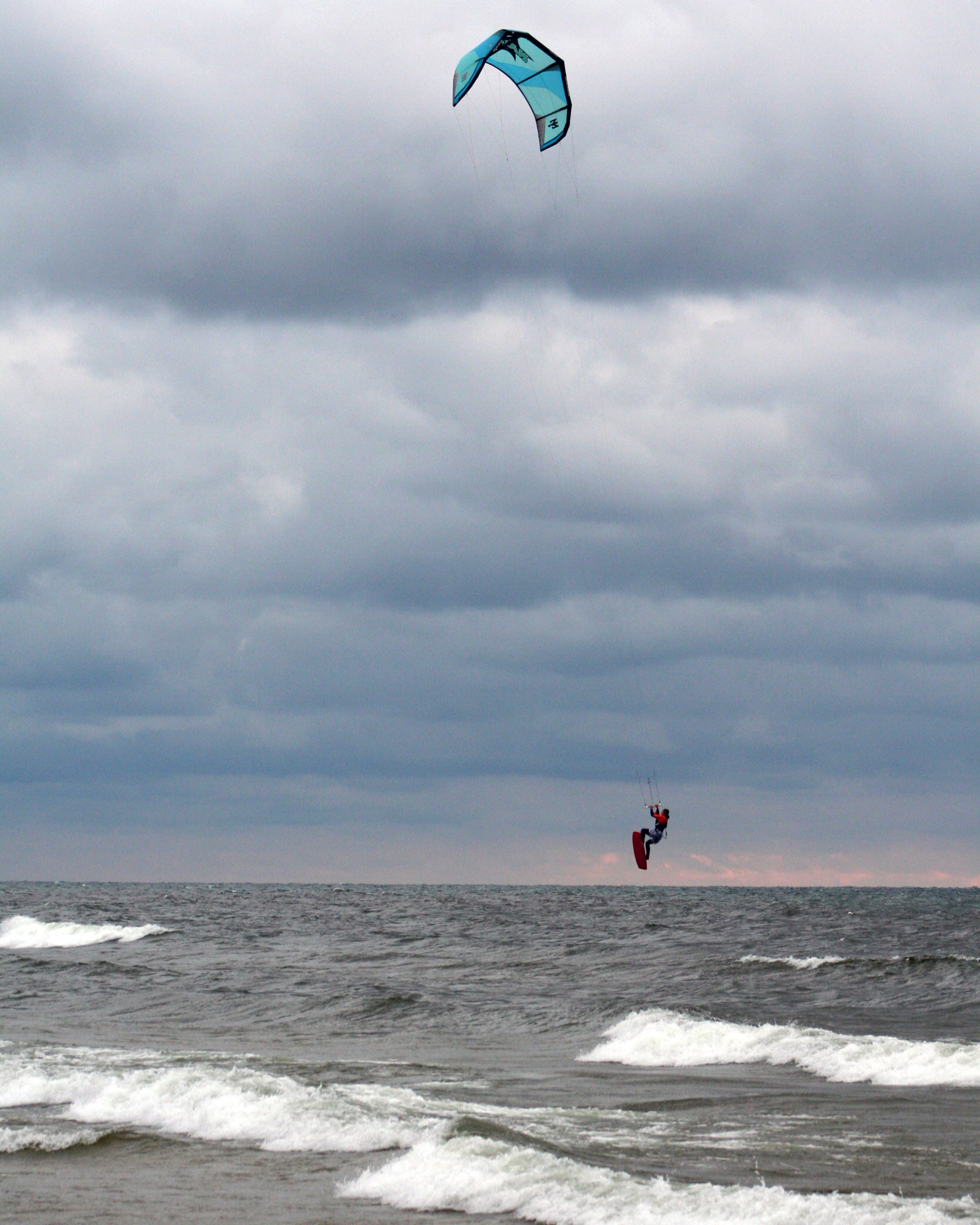
Beaches and Parks: Nearly Six Public Miles
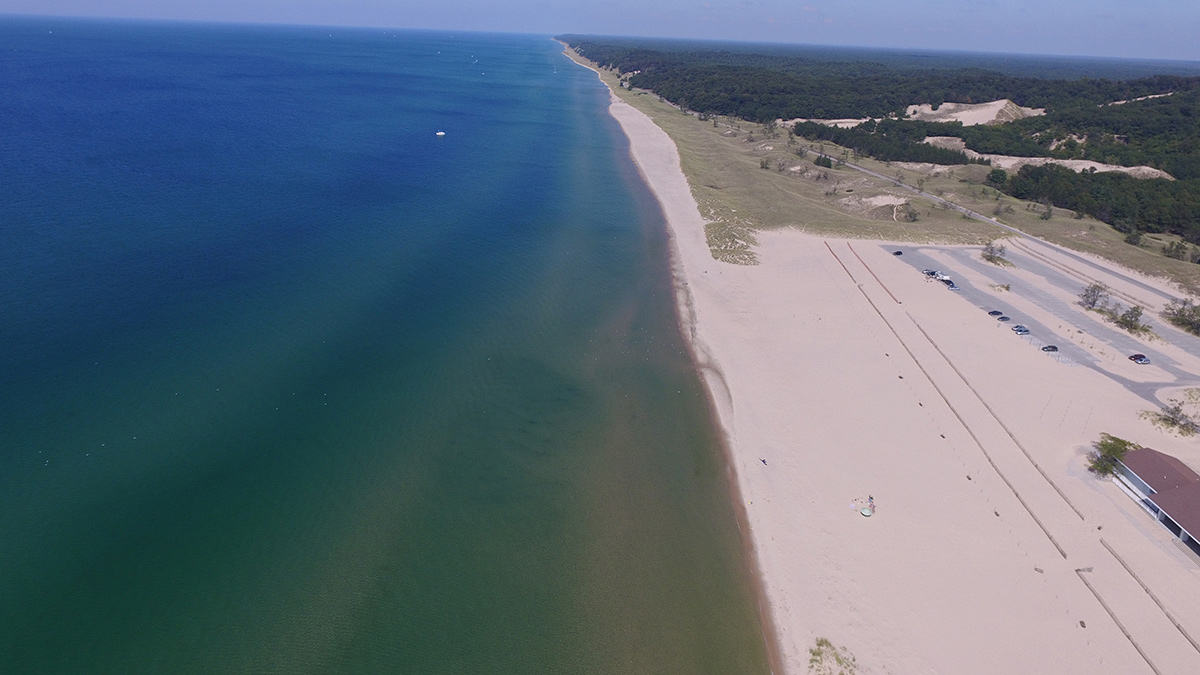
Most Lake Michigan communities cannot claim what Muskegon County can: some of West Michigan's longest public beach experiences. Pere Marquette Park anchors the north end of 2.5 miles of city-owned Lake Michigan frontage - a stretch of sand that is entirely public and right in the heart of Muskegon. P.J. Hoffmaster State Park adds another 3 miles of Lake Michigan shoreline in Norton Shores, just south of Muskegon's main beach area.
That matters because most Lake Michigan shoreline is private. Drive up the coast in other communities and you will find mile after mile of "No Trespassing" signs and homes blocking access. Muskegon is different. Living here means you have nearly six miles of publicly accessible Lake Michigan beach within easy reach - and that is just the city frontage and one state park. Further south in Norton Shores, Lake Harbor Park adds more public beach right at the mouth of the Mona Lake channel, where a smaller inland lake drains out to the big water.
Pere Marquette is the centerpiece: a sweeping Lake Michigan beach with volleyball courts, water sports rentals, and that endless western view. USA Today's 10Best readers' poll for best beach in Michigan has it in the top five again in 2026, after taking first place in 2018 and second in 2025. This is where the Great Lakes Surf Festival happens in late summer, celebrating SUP, yoga, and surf culture on the big water. Muskegon State Park stretches along the shoreline with hiking trails, swimming beaches, and scenic dune-backed terrain. For dog owners, Kruse Park is the county's only dog beach: about a mile of Lake Michigan sand, with a section of the northern beach set aside for leashed dogs. Farther up Scenic Drive, the beach at Duck Lake State Park adds a family favorite where a small lake's outlet stream crosses the sand into the big water.
These are public resources that Lake Michigan shoreline residents have in their immediate backyard. Living here means private beach when you want it, with miles of public sand minutes away when you want something different. The roads that reach them are part of the experience too - the Muskegon scenic drives guide maps the scenic way to the sand and the shoreline road north.
| Beach Town | Published Public Beach / Park Size |
|---|---|
| Muskegon | 2.5 miles of City-owned Lake Michigan frontage near Pere Marquette Park; 26 miles of beaches countywide |
| Grand Haven | About 0.5 mile of Lake Michigan shoreline at Grand Haven State Park |
| Holland | Roughly 0.25 mile of Holland State Park's Lake Michigan beach, about 1,320 feet of sandy shoreline |
| Saugatuck | Oval Beach in town, plus about 2.5 miles of sandy Lake Michigan shoreline at nearby Saugatuck Dunes State Park |
That does not mean every Muskegon beach day feels bigger or better than every beach day in those towns. Grand Haven, Holland, and Saugatuck each have their own appeal. The narrower point is that Muskegon has an unusually large public beach footprint, and that scale matters if you want regular Lake Michigan access without relying only on private frontage.
Beach Comparison Sources
Who Lake Michigan Is Right For
Lake Michigan shoreline near Muskegon appeals to a specific kind of person:
- People who prioritize views above all else
- Those who do not mind the cooler temperatures - in fact, some prefer them
- Serious boaters who want direct Great Lakes access
- Those who want the drama of open water and accept the tradeoffs
- Second-home owners who can manage the higher maintenance requirements
If you want warm beach days, calm water for swimming with kids, or lower-maintenance waterfront living, protected inland water fits better - most buyers who want to be ON the water end up inland, and most who want to look AT it forever end up here. Decide which one you are before you shop, and budget for the exposure if the answer is the big lake.
The Muskegon Connection
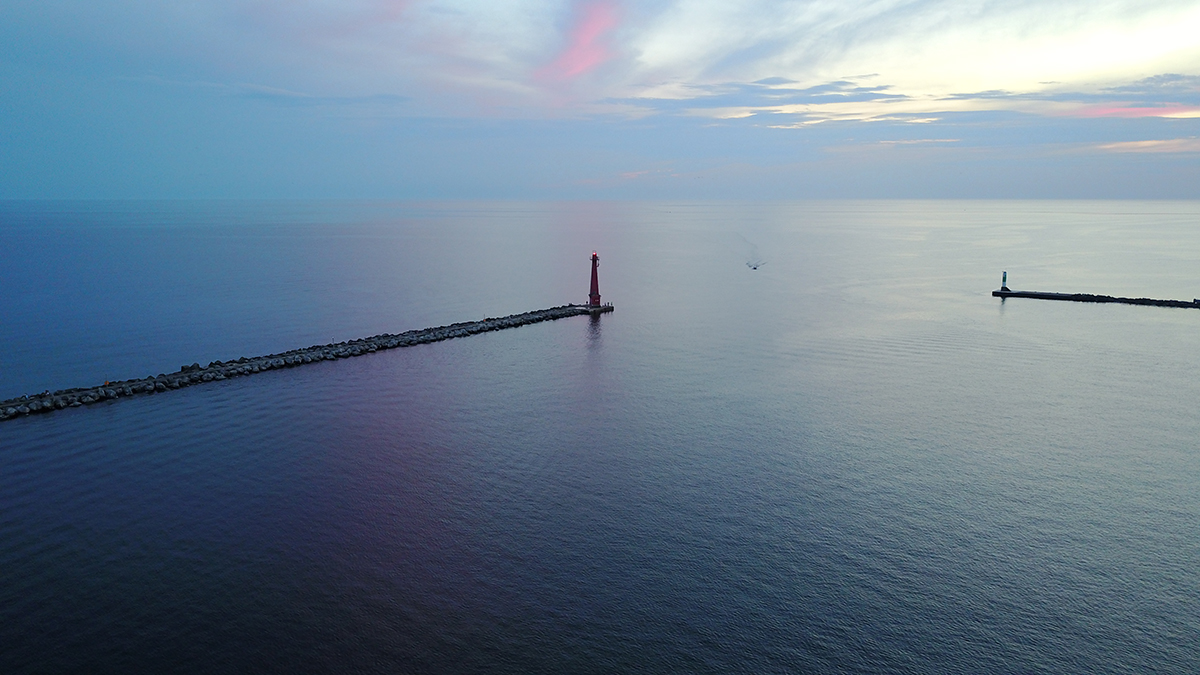
What makes the Muskegon area useful for Lake Michigan living is the nearby harbor system. The channel, marinas, trails, restaurants, and public beaches give the big-lake shoreline more local infrastructure than a remote stretch of coast.
The Muskegon channel also shapes how people use the shoreline. Many boaters stage from protected marinas and head out to Lake Michigan when weather, wave height, and visibility make sense.
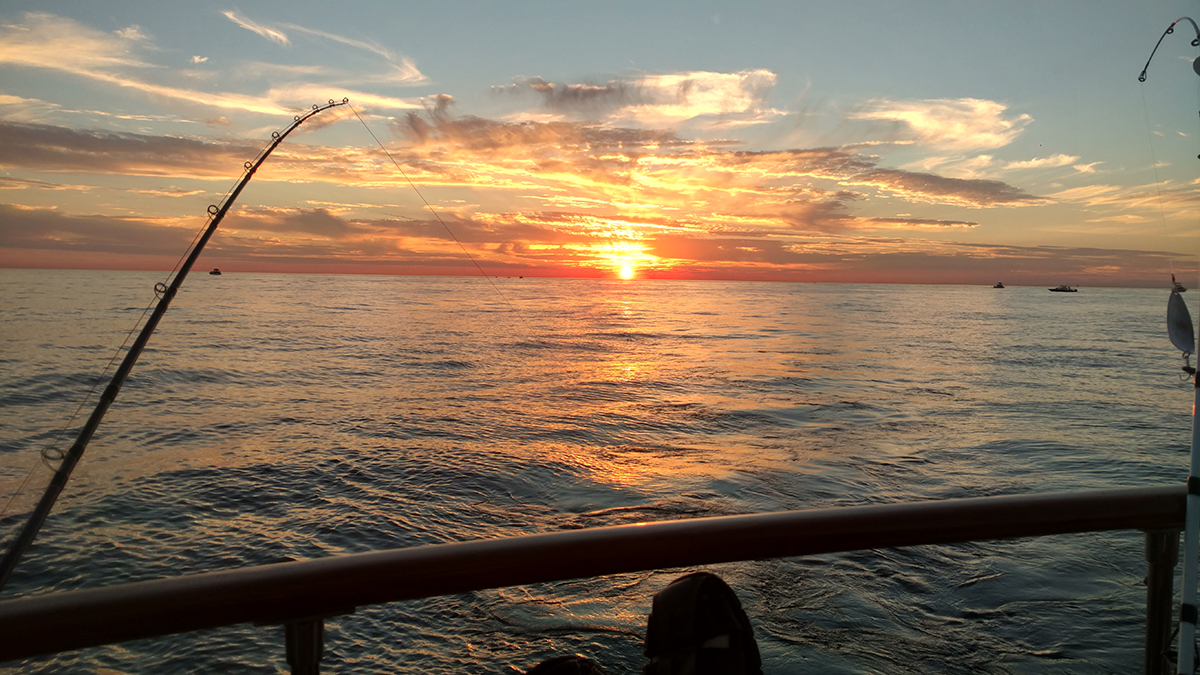
Once you are out there, the coast itself is part of the draw, and to the north the Silver Lake Sand Dunes rise off the water like a stretch of desert, one of the best views on this shoreline. I have run a jetski up to Pentwater and south to Holland's Lake Macatawa, and the trip out can be glorious. For years I made a shorter version of the same trip regularly: out the Muskegon channel, up the coast, and back in through the channel at White Lake, where we had a cottage. The catch is the ride home: even on a day that looked calm, the return leg can turn choppy and pound you the whole way back, which is hard on a small craft and harder on your body. Plan these runs around the wind and waves, not just the forecast, and go prepared.
A Local Trick: Read the Marine Forecast, Not Just the Weather
Here is the habit most people skip. Before I head out, I read the National Weather Service nearshore marine forecast for our stretch of coast: the "Grand Haven to Whitehall" zone (LMZ847) in the NWS Grand Rapids nearshore marine forecast. I look for waves of one foot or less, and I read the trend across today, tonight, and the next day. If it is calm and staying calm, I feel good about going; if the waves build through the day, I stay in. For the longer runs to remote spots, I want a couple of sub-one-foot days in a row.
It sounds cautious, but it does not take much chop to flip a small boat. The capsized boat shown above came out of exactly the kind of wave action this forecast is meant to warn you about. None of this replaces official forecasts or your own judgment on the water; it is just the local habit that keeps these trips fun instead of frightening.
Common Questions About Lake Michigan Waterfront
Is Lake Michigan colder than Muskegon Lake?
Yes. Lake Michigan often feels noticeably cooler than inland waterfront areas near Muskegon. That temperature difference affects swimming, beach days, fog, wind, and the overall shoreline experience.
What are the tradeoffs of living on Lake Michigan near Muskegon?
Lake Michigan waterfront near Muskegon offers unbroken sunset views over open water, private beach frontage (your sand and your stairs, though Michigan's public trust doctrine lets anyone walk the wet strip below the ordinary high-water mark), dune-backed scenery, and direct Great Lakes boating. The tradeoffs include blowing sand, shoreline erosion risk, higher maintenance costs from wave exposure, cooler summer temperatures, limited casual boating due to wave action, and a price premium over comparable inland lake properties.
Who is Lake Michigan waterfront near Muskegon right for?
Lake Michigan shoreline near Muskegon works best for people who prioritize open-water views, sunsets, cooler summer air, direct Great Lakes access, and dune-backed settings - and who go in accepting the maintenance realities of an exposed shoreline.
What public beaches are near Lake Michigan in Muskegon?
Pere Marquette Park sits at the north end of 2.5 miles of city-owned Lake Michigan frontage, and P.J. Hoffmaster State Park in Norton Shores contributes about 3 more miles of shoreline. Those two stretches alone put nearly six miles of public Great Lakes sand within a short drive, before counting Muskegon State Park, Kruse Park's dog beach, or Lake Harbor Park - unusual for a Lake Michigan community, where most shoreline is private.
Related Areas
Muskegon Lake
Protected, calm, and connected to Lake Michigan by channel.
ExploreNorth Muskegon
Elevated above Muskegon Lake with sweeping views for miles.
ExploreMoving to the Muskegon Waterfront
Use the relocation checklist to plan for Lake Michigan wind exposure, sand, storage, service access, and winter shoreline realities.
ExploreAbout this guide
Written by James Maurer, a retired municipal employee with 25 years in West Michigan local government and a lifetime on these lakes.